Seller Concessions Explained (Without the Confusing Jargon)

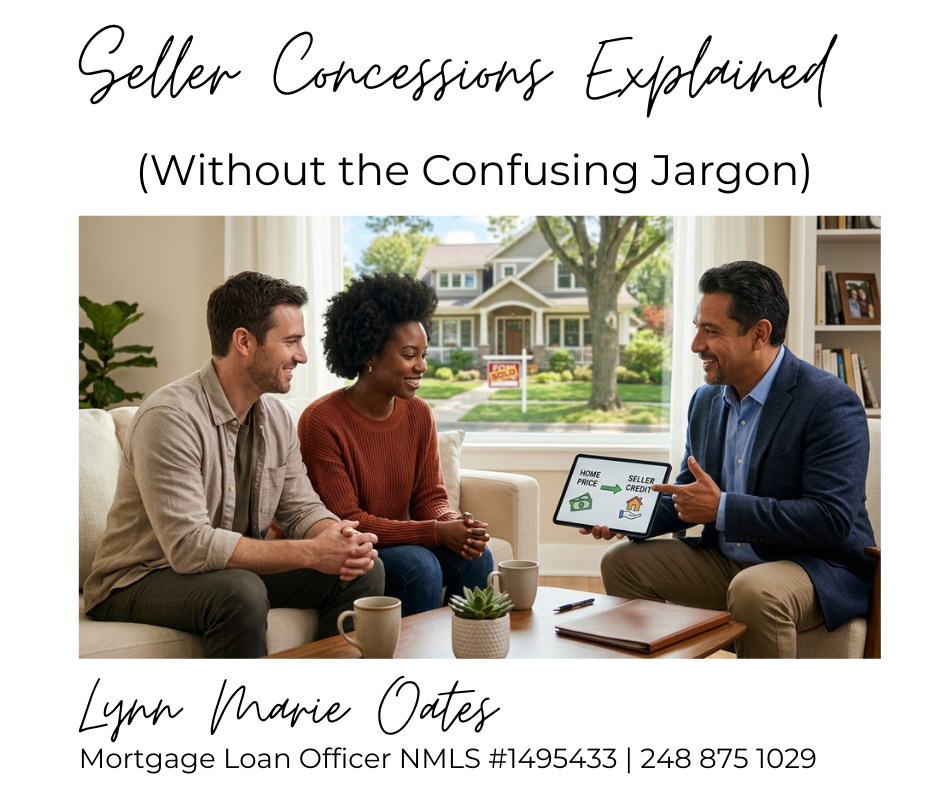
If you've ever felt like closing costs were the thing standing between you and getting the keys to your new home… you're not alone.
I see it all the time — buyers are so close, but those extra upfront costs start to feel like a deal breaker. That's where seller concessions can quietly save the day.
So… What Are Seller Concessions?
In simple terms, seller concessions mean the seller agrees to cover some of the buyer's closing costs. That could include things like:
- Loan fees
- Title costs
- Prepaid taxes and insurance
- Discount points to lower your interest rate
It's basically a way to make homeownership more affordable without lowering the purchase price. And yes — it can make a big difference.
How Much Can a Seller Actually Contribute?
This is where things get a little more specific — because the amount depends on the type of loan. Here's a simple breakdown for 2026:
Conventional Loans
For primary homes and second homes:
- Less than 10% down → up to 3%
- 10%–24.99% down → up to 6%
- 25%+ down → up to 9%
For investment properties: up to 2%, regardless of down payment.
FHA Loans
Sellers can contribute up to 6% of the purchase price — and this can go toward closing costs, prepaid expenses, and even buying down your rate.
VA Loans
This one is a big win for eligible buyers. Sellers can cover all standard closing costs (no strict cap), plus up to 4% in additional concessions. That extra 4% can help with:
- Paying off debts
- Covering prepaid expenses
- Buying appliances
- Covering the VA funding fee
And here's the kicker — the standard closing costs don't count toward that 4% limit.
Why This Actually Matters
This isn't just about numbers — it's about options. Seller concessions can:
- Help first-time buyers get in the door sooner
- Reduce how much cash you need upfront
- Make your offer more appealing in the right situation
- Keep a deal from falling apart at the finish line
Now, are seller concessions always accepted? No — especially in a super competitive market. But when the opportunity is there, knowing how to use them can be a game changer.
The Bottom Line
If you're buying a home (or even thinking about it), this is one of those strategies you definitely want in your back pocket. Because sometimes the difference between "almost" and "we got the house" comes down to understanding how to structure the deal the right way.
If you're wondering what this could look like for your situation, feel free to reach out. I'm always happy to walk you through it and help you make a plan that actually makes sense.